Vintage Books: A Timeless Display Font for Creative Expression
In the vast landscape of digital typography, finding a typeface that bridges the gap between nostalgia and modern utility can be a challenge. Vintage Books emerges as a distinctive solution, offering a display font that captures the essence of classic literature while remaining versatile enough for contemporary design needs. Whether you are a professional designer, a small business owner, or a hobbyist creator, understanding the nuances of this typeface can unlock new avenues for visual storytelling.
This article explores the characteristics, applications, and practical considerations of using Vintage Books in your creative projects. By examining its unique aesthetic and functional attributes, we aim to provide a comprehensive guide for anyone looking to infuse their work with a touch of timeless elegance.
The Aesthetic Appeal of Vintage Books
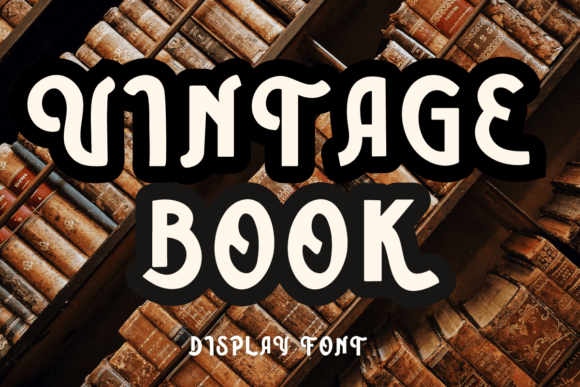
At its core, Vintage Books is designed to evoke the feeling of old-world charm. It draws inspiration from the printed pages of antique novels, historical manuscripts, and classic library archives. The font features subtle imperfections and textured details that mimic the look of ink on aged paper, creating an immediate sense of warmth and authenticity.
Unlike sterile, geometric sans-serif fonts, Vintage Books carries a personality. Its serifs are refined yet slightly worn, suggesting a history behind every letter. This makes it an ideal choice for projects that require an emotional connection with the audience. When viewers encounter this font, they often subconsciously associate it with trustworthiness, tradition, and craftsmanship.
Key Visual Characteristics
- Textured Details: The font includes subtle grain and wear effects that enhance its vintage appeal without compromising readability.
- Elegant Serifs: Classic serif structures provide a formal yet inviting appearance.
- Balanced Weight: The stroke width is optimized for display purposes, ensuring it stands out in headlines and titles.
- Versatile Styling: While inherently decorative, it maintains enough clarity to be used in various contexts beyond pure decoration.
Practical Applications and Use Cases
One of the most compelling aspects of Vintage Books is its adaptability. While it is categorized as a display font, its utility extends far beyond simple headings. Creators have found innovative ways to integrate this typeface into everyday design tasks, proving that style and function can coexist harmoniously.
Personal and Stationery Projects
For individuals who enjoy analog-inspired digital creations, Vintage Books is a perfect companion. It is exceptionally well-suited for:
- Taking Notes: Digital note-taking apps can feel impersonal. Using this font for headers or key points adds a scholarly, academic feel to your journals.
- Writing a Diary: The nostalgic vibe complements personal reflections, making digital diary entries feel more intimate and cherished.
- Making Greeting Cards: Whether for birthdays, holidays, or thank-you notes, the font adds a handcrafted touch that mass-produced cards often lack.
Commercial and Branding Designs
Business owners and marketers can leverage Vintage Books to differentiate their brand identity. In a market saturated with minimalist designs, a vintage aesthetic can help a brand stand out by signaling quality and heritage. Common commercial applications include:
- Banners and Headers: Capture attention on websites or physical storefronts with bold, character-rich titles.
- Content Creation: Enhance blog post titles, ebook covers, or magazine layouts with a literary flair.
- Merchandise: The font translates beautifully onto physical products such as mugs, t-shirts, and tote bags, appealing to consumers who appreciate retro styles.
- Social Media Posts: Create eye-catching graphics for Instagram, Pinterest, or Facebook that stop users from scrolling past.
Who Benefits from Using Vintage Books?
The versatility of Vintage Books means it serves a diverse audience. Understanding who benefits most from this typeface can help you determine if it aligns with your specific needs.
Creators and Designers
Graphic designers often seek fonts that offer a unique voice. Vintage Books provides a ready-made aesthetic that reduces the need for extensive texturing or effect layering in software like Photoshop or Illustrator. It allows designers to achieve a complex look with minimal effort, streamlining the workflow for client projects.
Small Business Owners
For entrepreneurs running boutiques, cafes, or artisanal shops, branding is crucial. Vintage Books can help convey a story of tradition and quality. For instance, a coffee shop might use it on menu boards to suggest a classic, slow-brewed experience, while a bookstore could use it for signage to emphasize its curated collection.
Educators and Students
In academic settings, presentation matters. Students and teachers can use this font to create engaging presentations, posters, or study guides that break the monotony of standard default fonts. It adds a layer of sophistication to educational materials, making them more visually appealing and memorable.
Evaluating Suitability: Strengths and Considerations
While Vintage Books offers numerous advantages, it is essential to approach its usage with a critical eye. Not every project benefits from a decorative display font. Understanding its limitations ensures that you use it effectively.
Strengths
The primary strength of Vintage Books lies in its emotional resonance. It instantly communicates a specific mood—nostalgia, elegance, and reliability. Additionally, its legibility at larger sizes makes it excellent for headlines where impact is paramount. The font’s inherent texture also means it requires less post-processing to achieve a "vintage" look, saving time in the design process.
Limitations and Best Practices
As a display font, Vintage Books is not intended for long blocks of body text. Using it for paragraphs can strain the reader’s eyes due to its decorative nature and variable stroke widths. Instead, pair it with a clean, simple sans-serif or serif font for body copy. This contrast creates a balanced hierarchy, allowing Vintage Books to shine as an accent while maintaining overall readability.
Another consideration is context. While the vintage aesthetic is popular, it may not suit brands aiming for a futuristic, high-tech, or ultra-modern image. Always evaluate whether the font’s personality aligns with your brand’s core values and target audience expectations.
Real-World Scenarios and Implementation Tips
To maximize the potential of Vintage Books, consider these practical scenarios and implementation strategies:
Scenario 1: The Artisan Bakery
An artisan bakery wants to highlight its use of traditional recipes. By using Vintage Books on packaging labels and store signage, the bakery reinforces its commitment to old-world baking methods. The font’s textured appearance complements the rustic aesthetic of kraft paper packaging, creating a cohesive brand experience.
Scenario 2: The Travel Blogger
A travel blogger focusing on historical sites can use Vintage Books for post titles and photo overlays. This choice subtly connects the content to the historical subject matter, enhancing the narrative without overwhelming the visual elements. Pairing it with high-quality photography creates a magazine-style layout that engages readers.
Implementation Tip: Color and Contrast
When using Vintage Books, pay attention to color choices. Earth tones, muted pastels, and deep classics like navy or burgundy often complement the font’s vintage vibe. Avoid neon or overly bright colors, which can clash with the font’s subdued, historical character. Ensure sufficient contrast between the text and background to maintain legibility, especially when the font’s textured details are prominent.
Conclusion
Vintage Books is more than just a typeface; it is a tool for evoking emotion and establishing identity. From personal projects like diaries and greeting cards to professional applications in branding and merchandise, its versatility makes it a valuable asset in any designer’s toolkit. By understanding its strengths and respecting its limitations, you can harness the power of this display font to create meaningful, visually striking content.
Whether you are looking to add a touch of nostalgia to your social media posts or elevate the perceived value of your product packaging, Vintage Books offers a timeless solution. As you experiment with this font, remember that the best design choices are those that serve both the aesthetic and functional needs of your project. Embrace the character of Vintage Books, and let it help you tell your story with style and substance.