Old Cowboy Outline: A Bold Western Typeface for Modern Design
In the vast landscape of digital typography, finding a font that captures a specific historical era without feeling dated or kitschy can be a significant challenge. Old Cowboy Outline emerges as a distinctive solution for designers seeking to evoke the rugged spirit of the American frontier. This typeface is not merely a decorative element; it is a functional design tool that blends classic western aesthetics with contemporary usability. By understanding its structural characteristics, compatibility features, and ideal use cases, creators can determine whether this font aligns with their specific project requirements.
Understanding the Aesthetic and Structure
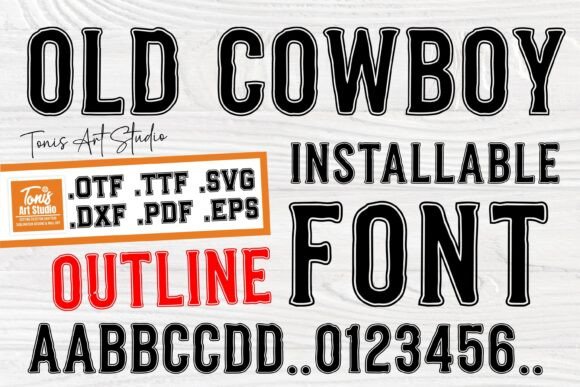
At its core, Old Cowboy Outline is defined by its robust, outlined letterforms. Unlike solid fill fonts, which rely on weight and density for impact, an outline font creates visual interest through negative space and border definition. This particular typeface resonates with the bold audacity of the Wild West, utilizing thick strokes and sharp serifs that mimic the hand-painted signage of 19th-century saloons and general stores. However, it avoids the rough, uneven imperfections often found in authentic historical artifacts, offering instead a polished, modern twist that ensures legibility across various media.
The "outline" aspect is crucial for its versatility. It allows designers to layer colors, textures, or images within the letters, providing a depth that solid fonts cannot achieve. This makes Old Cowboy Outline particularly effective for designs where the text needs to stand out against complex backgrounds without becoming visually heavy or overwhelming.
Technical Compatibility and Workflow Integration
For modern designers, aesthetic appeal must be matched by technical functionality. One of the primary considerations when selecting a specialty font is its compatibility with existing workflows. Old Cowboy Outline addresses this by offering extensive format support. It is available in standard OTF (OpenType Font) and TTF (TrueType Font) formats, ensuring seamless integration with major graphic design software such as Adobe Illustrator, Photoshop, and InDesign, as well as word processing applications.
Beyond traditional desktop publishing, this typeface is notably compatible with cutting-edge design tools used in crafting and small-scale manufacturing, such as Cricut and Silhouette machines. The inclusion of adaptable cut files in SVG, DXF, PDF, and EPS formats is a significant advantage for users who intend to physically produce their designs. Whether creating vinyl decals, heat-transfer t-shirts, or laser-cut wood signs, having access to vector-based cut files eliminates the need for manual tracing or complex image conversion, streamlining the production process significantly.
Ideal Use Cases for Old Cowboy Outline
Determining when to use Old Cowboy Outline requires an understanding of the mood and message it conveys. The font is best suited for projects that demand attention and evoke a sense of adventure, tradition, or rugged individualism. Here are several scenarios where this typeface serves as a strong fit:
- Event Posters and Flyers: For country music festivals, rodeos, or western-themed parties, the font’s commanding presence ensures that key information stands out from a distance.
- Apparel Design: When fashioning logos for t-shirts or hats, the outlined structure allows for creative color blocking and texture application, making the design pop against fabric.
- Branding for Hospitality: Restaurants, bars, or breweries with a rustic or western theme can use this font for signage and menus to reinforce their brand identity.
- Craft Projects: Hobbyists using cutting machines will find the clean vector paths ideal for creating durable, professional-looking decals and home decor items.
In each of these instances, the font acts as more than just text; it becomes a visual anchor that communicates the theme instantly to the viewer.
Tradeoffs and Design Considerations
While Old Cowboy Outline offers distinct advantages, it is not a universal solution for all typography needs. Designers must weigh certain tradeoffs before committing to its use. The most notable limitation is legibility at smaller sizes. Because the letters are outlined rather than filled, fine details can get lost when the font is scaled down. Therefore, it is generally unsuitable for body text, long paragraphs, or intricate legal disclaimers. It functions best as a display font for headlines, titles, and short phrases.
Additionally, the strong thematic association with the Wild West can be a double-edged sword. If a project requires a neutral, corporate, or minimalist aesthetic, this font may clash with the overall tone. Overuse can also lead to visual fatigue; its bold nature means it should be used sparingly to maintain its impact. Pairing it with a simple, sans-serif font for secondary information is often a prudent strategy to balance the composition.
Evaluating Alternatives
When evaluating Old Cowboy Outline, it is helpful to consider what alternatives might offer. If the goal is pure historical accuracy, designers might look toward distressed, grunge-style western fonts that mimic weathered wood or fading paint. However, these often lack the clean lines necessary for modern printing and cutting processes. Conversely, if the objective is modern minimalism, a geometric sans-serif would be more appropriate, though it would lack the thematic warmth and character of the cowboy aesthetic.
Other outlined western fonts exist, but many suffer from inconsistent stroke widths or poor kerning, which can complicate the design process. Old Cowboy Outline distinguishes itself through its balanced proportions and ready-to-use cut files, reducing the technical barrier for entry. For users who prioritize ease of use in both digital and physical production environments, this font offers a compelling combination of style and utility.
Making the Final Decision
Choosing the right typeface is a critical step in the design process. To determine if Old Cowboy Outline is the right choice for your project, ask yourself the following questions:
- Does the project require a bold, attention-grabbing headline?
- Is the theme related to the American West, rustic living, or outdoor adventure?
- Will the design be produced physically using cutting machines like Cricut or Silhouette?
- Is the text limited to short phrases rather than long bodies of copy?
If the answer to most of these questions is yes, then Old Cowboy Outline is likely a strong candidate. Its versatility in format and its striking visual presence make it a valuable asset for designers looking to add a touch of western flair to their work. By leveraging its outlined structure and compatible file types, creators can take their designs to new heights, ensuring that their message is not only read but felt. Ultimately, this font serves as a reliable companion for those embarking on creative ventures that demand both style and substance.