Reclaiming Warmth in Digital Design: The Strategic Value of the Lost Smile Font
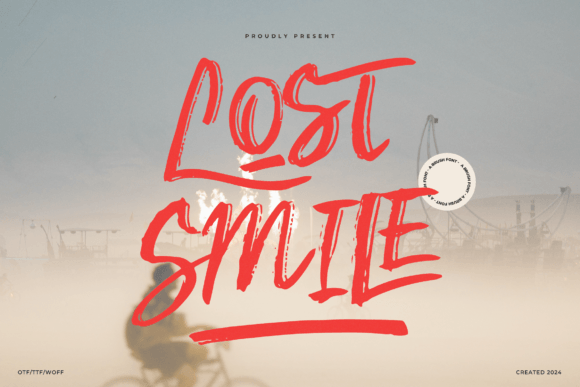
In an era where digital interfaces are increasingly standardized and algorithmic, the human touch has become a scarce and valuable commodity. Designers, marketers, and brand strategists are constantly searching for ways to break through the noise of corporate minimalism and sterile sans-serif uniformity. This is where Lost Smile emerges not merely as a typeface, but as a strategic tool for emotional connection. As a playful brush font that looks like it was written by hand, Lost Smile offers a distinct aesthetic advantage. Its bold, flowing letters give a friendly and warm feel, making it great for personal projects, invitations, and anything that needs a cheerful touch. However, its utility extends far beyond casual correspondence; it represents a shift toward authentic, human-centric design in professional contexts.
The Shift Toward Authentic Typography
The modern consumer is experiencing a form of visual fatigue. For years, the tech industry and corporate sectors favored clean, geometric fonts that signaled efficiency and modernity. While effective for readability, this trend often stripped brands of their personality. Today, there is a measurable pivot toward authenticity and imperfection. Audiences are responding positively to designs that feel crafted rather than generated. This is the core appeal of Lost Smile. It does not pretend to be machine-perfect. Instead, it embraces the organic variations inherent in hand-lettering, creating an immediate sense of approachability.
When a brand utilizes a font like Lost Smile, it signals a departure from rigid corporate structures. It suggests that there are real people behind the logo, people who value warmth and connection. This aligns with broader market trends where consumers prefer brands that demonstrate empathy and community engagement. The font’s playful nature serves as a visual cue that the associated content is safe, inviting, and human-centered.
Integrating Hand-Lettered Aesthetics into Professional Workflows
For freelancers and creative agencies, the challenge lies in balancing professionalism with personality. Many hesitate to use handwritten fonts for fear of appearing unprofessional or illegible. Lost Smile addresses this concern through its structural integrity. Despite its playful demeanor, the font maintains consistent weight and spacing, ensuring that it remains readable across various mediums. This balance allows professionals to incorporate it into high-stakes projects without sacrificing clarity.
Consider the workflow of a social media manager. In a feed dominated by polished, high-contrast graphics, a post featuring Lost Smile can act as a pattern interrupt. It draws the eye not through shock value, but through familiarity. It mimics the note left on a fridge or the signature on a personal letter. This psychological association triggers a positive emotional response, increasing engagement rates. By integrating such fonts into their design systems, marketers can create a more cohesive and relatable brand voice.
Practical Applications Across Industries
The versatility of Lost Smile makes it relevant across a spectrum of industries. Its application is not limited to informal settings; rather, it enhances specific touchpoints where emotional resonance is paramount.
- Hospitality and Food Service: Menus, special event flyers, and packaging for artisanal products benefit immensely from the warm feel of Lost Smile. It suggests homemade quality and care, distinguishing small businesses from large chains.
- Education and Childcare: Materials aimed at children and parents require a tone that is both trustworthy and joyful. The bold, flowing letters of this font create an environment that feels safe and stimulating.
- Wellness and Lifestyle: Brands focused on mental health, yoga, or self-care often struggle to avoid clichés. Using a genuine hand-style font like Lost Smile adds a layer of sincerity to motivational quotes and workshop announcements.
Furthermore, entrepreneurs launching direct-to-consumer brands can leverage this typography to build immediate rapport. In the early stages of a business, establishing a personal connection with the first hundred customers is critical. Packaging inserts, thank-you notes, and email headers styled with Lost Smile reinforce the narrative of a founder-led, passionate enterprise.
Navigating the Technical Requirements of Modern Design
As we move toward more dynamic web experiences, the technical performance of fonts becomes crucial. Lost Smile is designed with modern web standards in mind, ensuring that it renders correctly across devices. For developers and designers, this means less time troubleshooting display issues and more time focusing on creative implementation. The font’s vector-based structure allows for scalability without loss of quality, making it suitable for everything from mobile screens to large-format prints.
It is important to note that while Lost Smile is highly versatile, it should be used strategically. Best practices suggest pairing it with a neutral, highly legible sans-serif font for body text. This contrast ensures that the playful elements stand out without compromising the overall readability of the content. For instance, a landing page might use Lost Smile for headlines and call-to-action buttons, while relying on a clean geometric font for detailed product descriptions. This hierarchy guides the user’s eye and reinforces the brand’s dual commitment to friendliness and professionalism.
The Future of Expressive Typography
The growing popularity of fonts like Lost Smile indicates a lasting change in design preferences. We are moving away from the one-size-fits-all approach of the early digital age toward a more nuanced understanding of typographic emotion. As artificial intelligence continues to automate many aspects of design, the value of uniquely human expressions will only increase. Fonts that capture the irregularities and warmth of human handwriting will remain essential tools for differentiation.
Moreover, the rise of personalized marketing demands assets that can adapt to individual customer journeys. Lost Smile fits seamlessly into dynamic content generation, allowing brands to send personalized messages that feel genuinely crafted for the recipient. Whether it is a birthday offer or a milestone celebration, the visual tone set by this font enhances the perceived value of the interaction.
For enthusiasts and creators, exploring the capabilities of Lost Smile offers an opportunity to refine their design intuition. It encourages experimentation with layout, color, and composition. By working with a font that has strong character, designers are pushed to make more deliberate choices about whitespace and hierarchy. This process not only improves the final output but also deepens the designer’s understanding of how typography influences perception.
Building a Cohesive Brand Identity
Ultimately, the decision to use Lost Smile is a decision about brand values. It communicates that a company prioritizes relationships over transactions. In a marketplace where competitors often look and sound identical, this distinction is powerful. It allows brands to carve out a unique niche defined by warmth and accessibility.
To maximize the impact of this font, consider the following strategic steps:
- Define the Emotional Goal: Determine where in the customer journey you need to inject warmth. Is it the onboarding process? The packaging experience? Identify the touchpoints where Lost Smile will have the highest emotional return.
- Maintain Consistency: Once integrated, ensure the font is used consistently across all channels. Inconsistent typography can dilute brand recognition. Create a style guide that specifies when and how to use Lost Smile.
- Test and Iterate: Monitor audience reactions. Use A/B testing to compare conversion rates between designs using standard fonts and those utilizing Lost Smile. Data-driven insights will help refine your approach.
In conclusion, Lost Smile is more than a decorative element; it is a conduit for human connection in a digital world. Its bold, flowing letters provide the friendly and warm feel that modern audiences crave. By understanding its strategic value and applying it with intention, professionals can enhance their creative outputs and build stronger, more meaningful relationships with their audiences. As the design landscape continues to evolve, the ability to convey authenticity through typography will remain a key differentiator for successful brands and creators alike.
For those looking to elevate their projects with a touch of genuine cheer, exploring the possibilities of Lost Smile is a worthwhile investment. It bridges the gap between professional polish and personal touch, offering a solution that is both visually appealing and emotionally resonant. In the end, design is about communication, and few tools communicate warmth as effectively as a smile, even a lost one found again in ink.