Ramen Soup: A Strategic Approach to Comfort and Brand Personality
In the vast landscape of culinary traditions and brand aesthetics, few concepts offer as much immediate comfort and universal appeal as Ramen Soup. It is more than a meal; it is a cultural touchstone that represents warmth, depth, and meticulous craftsmanship. For entrepreneurs, marketers, and creators, understanding the essence of Ramen Soup provides a unique lens through which to view customer experience, branding consistency, and the strategic delivery of value. Just as a perfect bowl requires balance between broth, noodles, and toppings, successful projects require a harmonious blend of functionality, emotion, and clear communication.
When we discuss Ramen Soup in a professional context, we are not merely talking about food. We are exploring a metaphor for layered complexity made accessible. The broth simmers for hours, extracting deep flavors that cannot be rushed. Similarly, building a brand or executing a high-stakes project demands patience and attention to detail. The noodles provide structure, much like the operational frameworks that hold a business together. The toppings offer customization and visual appeal, akin to the user interface or the final polish on a creative deliverable. By adopting this mindset, decision-makers can create outcomes that are not only effective but also deeply satisfying to their audience.
The Architecture of Flavor: Planning and Preparation
Strategic planning often fails because it lacks depth. Many businesses rush to market with a superficial offering, similar to instant noodles prepared with boiling water alone. While functional, it lacks the soul and retention power of a slow-simmered broth. To leverage the principles behind Ramen Soup, one must invest time in the foundational elements of their strategy.
- Define your base: What is the core value proposition? In ramen, this is the broth—shoyu, miso, tonkotsu, or shio. In business, this is your mission and primary service. It must be robust enough to stand alone.
- Select your structure: The noodles must complement the broth. Are you offering a quick, agile service (thin noodles) or a comprehensive, heavy-duty solution (thick, chewy noodles)? Alignment here is critical for user satisfaction.
- Curate your toppings: These are the differentiators. A soft-boiled egg, chashu pork, or bamboo shoots add texture and memory. In design and marketing, these are the unique features, personalized touches, or exceptional customer service moments that make your brand memorable.
Considering these elements before launch prevents the common pitfall of feature bloat without substance. A bowl of ramen is delightful because every element has a purpose. Your project should reflect the same intentionality.
Visual Identity and the Human Touch
While the substance of your offering is paramount, the presentation dictates the initial engagement. This is where aesthetics play a crucial role in communication. Imagine serving a meticulously crafted broth in a sterile, industrial container versus a warm, hand-thrown ceramic bowl. The experience changes entirely.
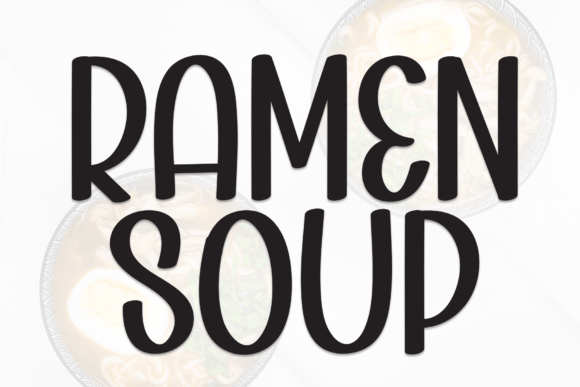
In the realm of digital and print design, typography serves as the vessel for your message. This brings us to an essential tool for conveying warmth and approachability: Introducing a charming and affable handwriting-inspired display font that’s both sweet and friendly. With its adorable and playful character, this font is simply perfect for crafting wedding invitations, greeting cards, or any design projects that warrant an extra touch of fun. Turn ordinary into delightful with this expressive and inviting typeface.
Why does this matter for a serious business strategy? Because modern consumers crave authenticity. Cold, corporate sans-serifs often fail to connect on an emotional level. Using a typeface that mimics the human hand suggests care, personalization, and accessibility. When you pair the deep, strategic substance of your "Ramen Soup" offering with a visual identity that feels handcrafted and welcoming, you create a holistic brand experience. The font acts as the garnish that invites the user in, signaling that there is a human behind the brand who cares about the details.
Contextual Application of Playful Typography
However, strategic use of such expressive fonts requires discernment. Just as you would not serve delicate sashimi with a heavy, overpowering spice blend, you must match the tone of your typography to the context of your message.
- Wedding and Event Invitations: Here, the goal is to evoke joy and anticipation. The handwriting style reinforces the personal nature of the event, making guests feel specially invited rather than mass-mailed.
- Lifestyle Branding: For cafes, boutiques, or artisanal products, this font bridges the gap between professional quality and neighborhood charm. It signals that the business is approachable and community-focused.
- Educational Materials: When teaching complex topics, a friendly typeface can reduce cognitive load and anxiety, making learning feel less like a chore and more like a conversation.
The risk lies in overuse. If every header, body text, and legal disclaimer uses this playful font, the message loses its hierarchy and seriousness. Use it for headlines, call-to-action buttons, or short quotes. Let cleaner, more neutral fonts handle the dense informational content. This contrast creates visual rhythm and guides the reader’s eye effectively.
Risk Management and Strategic Balance
One of the most significant lessons from the philosophy of Ramen Soup is the danger of imbalance. A broth that is too salty overwhelms the palate; a design that is too cute undermines credibility. Decision-makers must constantly evaluate whether their choices support their long-term goals or merely serve as temporary distractions.
Consider the operational side. A restaurant known for its ramen must maintain consistency. If the quality fluctuates, customers lose trust. Similarly, if your brand voice swings wildly from playful to severe without a clear narrative reason, you confuse your audience. Establish guidelines. Define when the "sweet and friendly" aesthetic is appropriate and when a more authoritative tone is required. This consistency builds brand equity over time.
Furthermore, avoid the trap of novelty. A trendy font or a viral food trend may attract initial attention, but it does not guarantee retention. The underlying value—the flavor of the broth, the utility of your product—must remain high. Use the charming typography to enhance the experience, not to mask deficiencies in the core offering.
Long-Term Value and Customer Experience
Ultimately, the goal of integrating these strategic and aesthetic principles is to foster loyalty. A customer who enjoys a bowl of ramen returns not just for the calories, but for the feeling of being cared for. They return for the atmosphere, the consistency, and the subtle delights that surprise them.
In business, this translates to customer lifetime value. By focusing on the details—whether it is the simmer time of your strategy or the curvature of your letters—you signal respect for your audience. You demonstrate that you have considered their experience from multiple angles. This level of thoughtfulness differentiates you from competitors who prioritize speed over substance.
For educators and publishers, this approach transforms static content into engaging journeys. For small business owners, it turns transactions into relationships. For freelancers, it showcases a blend of technical skill and emotional intelligence. The combination of deep strategic planning (the broth) and inviting presentation (the font) creates a powerful synergy.
Making the Decision to Invest in Quality
Choosing to adopt this dual focus on substance and style is a strategic decision. It requires resisting the pressure to cut corners. It means spending extra time refining your core message and selecting design elements that truly resonate with your target demographic. It involves asking difficult questions: Does this visual choice align with our brand values? Does our operational model support the promise we are making?
When you answer these questions honestly, you move beyond random acts of marketing or design. You begin to build a cohesive ecosystem where every element supports the whole. Like a master ramen chef who understands the interplay of heat, time, and ingredients, you become a practitioner of holistic brand creation.
In conclusion, let the concept of Ramen Soup remind you that depth matters. Let the charm of a handwriting-inspired font remind you that connection matters. By balancing these forces, you create work that is not only effective but also enduring. Whether you are drafting a business plan, designing an invitation, or launching a new product, approach it with the care of a craftsman and the strategy of a leader. The result will be something that feeds both the mind and the spirit, leaving your audience satisfied and eager to return.